

How needs-based selling in small businesses helps uncover opportunities customers cannot see themselves
One of the biggest challenges small businesses face in sales is assuming customers already know exactly what they need. A potential customer might say they are not interested. They might tell you they already have a solution. They might even say they do not think your product or service is relevant to them.
But sometimes, the issue is not that they do not need what you offer. The issue is that they have not yet connected the dots between their challenges and your solution. This is where needs-based selling can transform the way small businesses approach sales.
The conversation that changed everything
A small business owner was speaking with a potential client who seemed uninterested from the beginning. The prospect explained that they were happy with their current provider and did not see a reason to make a change. The salesperson could have accepted the response, thanked them for their time, and moved on.
Instead, they asked a simple question: “What is working well with your current solution, and is there anything you would improve if you could?”
That question opened up a completely different conversation. The client began discussing frustrations they had accepted as part of the process. They talked about inefficiencies, time-consuming tasks, and challenges they had never considered fixing because they assumed there was no better alternative.
By asking the right questions, the salesperson uncovered a need the customer had not fully recognised themselves.
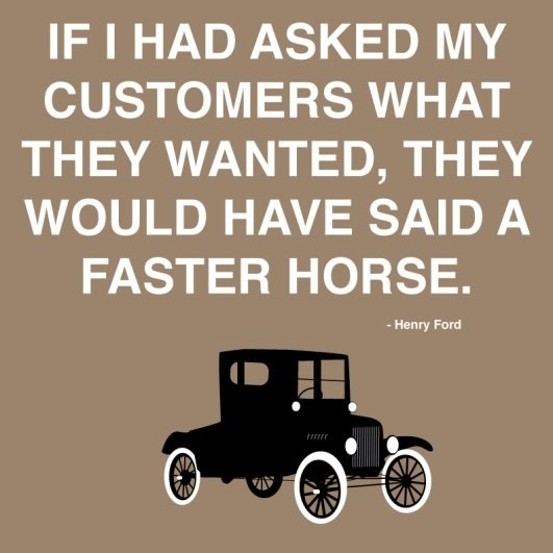
Customers do not always know what they need
Many small businesses make the mistake of focusing their sales conversations around their products or services. They explain what they offer, highlight features, and talk about why they are different from competitors.
While this information is important, it is not always what drives a buying decision. Customers are more interested in solving problems, achieving goals, and improving outcomes.
A customer may not wake up thinking:
• “I need to purchase a new accounting system.”
They are more likely thinking:
• “I am spending too much time managing admin.”
• “I need better visibility into my finances.”
• “I want to spend more time focusing on growing my business.”
The role of a great salesperson is to uncover these challenges and connect them to a solution.
The power of asking better questions
Needs-based selling is built around curiosity. Instead of rushing to present a solution, successful salespeople take the time to understand the customer’s situation.
Some powerful questions include:
• What challenges are you currently experiencing?
• How is this impacting your business?
• What have you tried in the past?
• What would you like to improve?
• What would happen if this challenge continued?
• What does success look like for you?
These questions encourage customers to reflect on their situation and often reveal opportunities they had not previously considered. The salesperson is no longer simply selling a product. They are helping the customer identify a better outcome.
Small businesses have a unique sales advantage
Large organisations often have bigger budgets, larger teams, and more resources. However, small businesses have one significant advantage: the ability to build genuine relationships. Customers want to feel understood.
They want to work with businesses that take the time to listen, understand their challenges, and provide personalised solutions. For small businesses, needs-based selling creates an opportunity to stand out by delivering a more consultative and customer-focused experience.
The best sales conversations do not feel like sales conversations. They feel like valuable discussions where both sides are working towards the right solution.

Stop convincing and start understanding
Many small business owners believe selling means convincing someone to buy. In reality, effective selling is about understanding.
When you ask better questions, you uncover what matters most to your customer. You discover their goals, frustrations, priorities, and opportunities. Sometimes customers already know exactly what they need. Other times, they need someone to help them see what is possible.
That is the difference between transactional selling and consultative selling. The businesses that master this approach create stronger relationships, improve customer trust, and uncover opportunities that competitors often miss.

Better questions create better sales results
Every customer conversation is an opportunity to learn. By moving away from product-focused conversations and adopting a needs-based selling approach, small businesses can create more meaningful discussions, provide greater value, and increase their chances of winning new business.
The next time a customer says they do not need your product or service, consider asking a few more questions before accepting the answer. You may discover an opportunity they did not even realise existed. To learn more about the benefits of Sales Training, particularly for small businesses, click here.
If you are looking to improve your sales approach, build stronger customer relationships, and help your team uncover more opportunities, contact Business Coaches Sydney for tailored Sales Training designed specifically for small businesses.
Call 1300 833 574 or Email info@businesscoachessydney.com.au
Author – Garret Norris – https://www.linkedin.com/in/garretnorris/

Latest posts by Sienna Anderson (see all)
- The Small Business Had Training, But Nothing Changed - September 15, 2026
- The Business That Changed When the Owner Changed - September 9, 2026
- The Customer Was Ready to Buy, Then Nobody Called Back - September 1, 2026