

If you’ve ever invested in sales training and walked away thinking it didn’t quite hit the mark, you are far from alone. Small business owners everywhere pour time, money and energy into sales workshops, online courses, manuals and coaching sessions, only to discover that very little actually sticks. The team gets fired up for a week, maybe two, then everything slides right back to old habits. It can feel frustrating, even confusing, especially when the training itself sounded solid on paper.
So why does this happen?
Why does so much sales training fall flat, even when the intentions are good? And more importantly, how do you fix it so you actually get a return on your investment?
Let’s discuss in a way that makes sense and helps you move forward.
Reason One: The Training Is Too Generic
One of the biggest problems is that too much sales training is cookie cutter. It is based on theories, not your real world. It teaches broad concepts rather than the specific scenarios your team deals with every day. When training feels disconnected from reality, people tune out. They might understand the ideas, but they cannot see how to apply them to actual clients.
Good salespeople are practical thinkers. They need examples, scripts, case studies and tools that are relevant to the products, customers and challenges they face. When the training is too generic, nothing changes because nothing feels actionable.
Reason Two: There Is No Follow Through
A single training session will never transform a team. Real change happens through repetition, coaching and accountability. Many businesses treat training as a one time event. They tick it off the list and assume the job is done. But without support and reinforcement, people slip right back to familiar patterns.
Think of it like fitness. You wouldn’t go to the gym once and expect long term results. Sales skills work the same way. They need refreshing, checking and building in everyday situations.
Reason Three: The Manager Is Not Involved
Another common issue is that managers stay on the sidelines. They send the team to training but do not attend themselves. As a result, they do not fully understand the new tools or language introduced. The team might try to implement new methods, but if the manager cannot reinforce or coach the same approach, the whole thing falls apart.
Sales training is always more effective when managers lead from the front. When they model the behaviours, track progress and support the implementation, the team sees the training as important.
Reason Four: The Team Does Not See the “Why”
Adults learn best when there is a clear reason to change. If your salespeople do not understand why the training matters or how it connects to their goals, they simply go through the motions. They show up, listen, take notes and then get back to business as usual.
For training to stick, your team needs clarity. They need context, purpose and a clear link between what they are learning and what they want to achieve. When people see the why, they engage differently. They apply the tools because the tools have meaning.
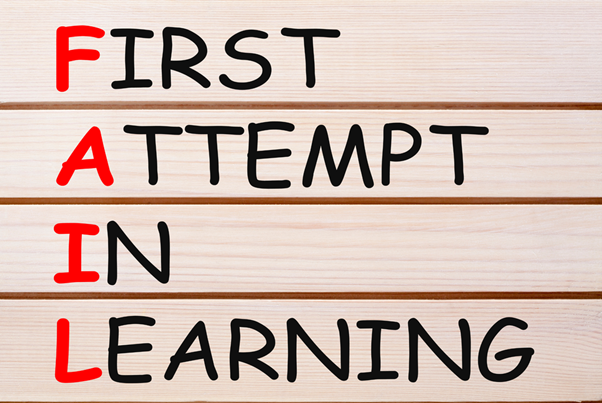
How to Fix It
The good news is that failed training doesn’t mean your team is untrainable. It simply means the approach needs adjusting. Here are some practical ways to make sales training work the way it should.
Make It Personal
Choose training that is customised for your products, services, goals and customers. The more specific it is, the easier it is for your team to apply. Real scenarios spark real learning.
Build It Into Your Routine
Instead of treating sales training as a one off, build small doses of reinforcement into your regular schedule. Short coaching conversations, pipeline checks, role plays and workshops can make an enormous difference.
Get Managers Involved
Make sure managers are trained too. They should understand the tools, the process and the language so they can coach it confidently afterwards.
Track Progress and Celebrate Wins
People stay motivated when they see progress. Use clear metrics and celebrate small improvements. It builds momentum and keeps everyone engaged.
Create a Culture of Learning
The best sales teams are always improving. They learn from mistakes, share best practices and stay curious. When learning becomes part of your culture, training doesn’t fade. It becomes the normal way of doing business.
To find out more about the importance of Sales Training for your small business, click here.
If you want sales training that is tailored, practical and sticks long term, contact Business Coaches Sydney for personalised Sales Training & Coaching for your small business.
Call 1300 833 574 or Email info@businesscoachessydney.com.au
Author – Garret Norris – https://www.linkedin.com/in/garretnorris/

Latest posts by Sienna Anderson (see all)
- Why customer retention deserves more attention from small businesses - October 6, 2026
- The Business Had Plenty of Enquiries, They Just Weren’t Becoming Customers - September 29, 2026
- The Business Had a Strategy but Nobody Followed It - September 21, 2026