

How consistent follow-up can help small businesses capture opportunities that would otherwise be lost
The customer had already done most of the hard work. They had made an enquiry. They had spoken to someone on the team. They had asked questions, discussed their requirements and received a quote. Most importantly, they had said something every salesperson wants to hear:
“This sounds great. Let me know what the next step is.”
The opportunity was warm. The customer was interested. The business had a genuine chance of winning the sale. Then nothing happened.
Nobody called back, nobody sent the promised email, nobody checked whether the customer had any questions. A few days passed. Then a week. Eventually, the customer went somewhere else.
For the small business, it was easy to blame the customer. Perhaps they had changed their mind. Maybe the price was too high. Perhaps they had found a competitor. But the real problem was much simpler. The business had stopped selling before the customer had stopped buying.
The follow-up gap that costs small businesses sales
Follow-up sounds simple. In reality, it is one of the areas where many small businesses struggle. Small business owners and their teams are often juggling everything at once. They are answering enquiries, delivering products or services, managing staff, handling administration, dealing with existing customers and trying to generate new business.
A promising sales opportunity can quickly become just another item on a busy to-do list. The problem is that customers do not necessarily know how busy you are. From their perspective, they have asked for information and are waiting for a response. When that response does not come, they may interpret the silence as a lack of interest, poor service or a sign that another supplier would be easier to deal with.
And once a customer starts talking to a competitor, winning them back becomes much harder.
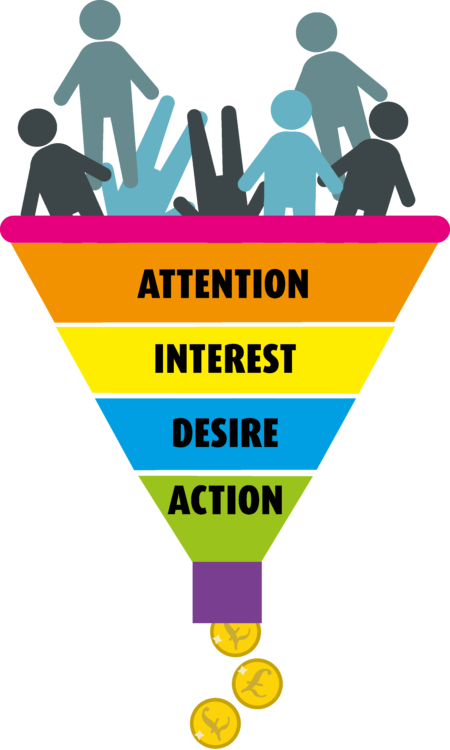
Interest does not always turn into action
One of the biggest mistakes businesses make is assuming that an interested customer will automatically come back.
They might say:
“I’ll think about it.”
“I just need to speak to my business partner.”
“Send me the information and I’ll have a look.”
“I’m interested. Give me a call next week.”
These statements are not necessarily rejections, they are opportunities for follow-up. The salesperson’s job is not to pressure the customer into making a decision. It is to keep the conversation moving. A simple follow-up could uncover a question that was preventing the customer from buying.
It could clarify an objection, it could remind the customer of the value discussed during the original conversation, or it could simply make the buying process easier. Without follow-up, businesses are often leaving the customer to do all the work.
Follow-up should be a process, not a memory test
If follow-up depends on someone remembering to make a call, it will eventually be missed. The businesses that follow up consistently usually have some form of structure around it. That does not have to mean complicated software or a huge sales team.
It could be as simple as defining:
• When a new enquiry must be contacted
• When a quote should be followed up
• Who is responsible for the next contact
• What information should be recorded
• When a prospect should be contacted again
• What happens if the customer does not respond
• When an opportunity is considered genuinely lost
The important thing is that everyone understands what happens next. A good sales process removes the question of “Should I follow this up?” Instead, it creates a clear expectation that “This is when we follow this up.”
The best follow-up adds value
There is another important distinction. Follow-up should not mean repeatedly asking:
“Have you made a decision yet?”
That can quickly become annoying. Effective follow-up is about continuing the conversation.
For example, instead of simply asking whether the customer has decided, a salesperson might say:
“Hi Sarah, I wanted to check whether you had any questions about the proposal I sent through. Based on what you mentioned about wanting to have everything in place before October, I also wanted to flag that we currently have availability in the first week of September.”
That message does more than chase a decision. It demonstrates that the salesperson listened, and it provides useful information. And it gives the customer a reason to respond.
Speed matters, but consistency matters too
Responding quickly to new enquiries is important, but follow-up cannot stop after the first response. A customer might receive an immediate reply, a great consultation and a detailed proposal. If the business then disappears for two weeks, much of that initial momentum can disappear with it.
Consistent follow-up keeps the opportunity alive. It also communicates something important about the business:
“We do what we say we are going to do.”
That builds trust. For a small business competing against larger organisations, this can be a significant advantage. Customers often remember the businesses that were responsive, organised and easy to deal with.
The sale is not always won by the business with the biggest marketing budget. Sometimes it is won by the business that simply followed through.
Sales training can help build better follow-up habits
Follow-up is not just an administrative task. It is a sales skill. Salespeople need to know how to have productive follow-up conversations, ask quality questions, identify buying signals, address objections and confidently move the customer towards the next step.
They also need the discipline to manage their pipeline and ensure opportunities do not quietly disappear. This is where structured sales training can make a difference. For small businesses looking to strengthen their sales approach, read Business Coaches Sydney’s blog on the importance of Sales Training for small businesses, which explores how businesses can create greater consistency around responding to enquiries, qualifying leads, questioning, follow-up and moving opportunities through the sales pipeline.
The goal is not to turn every salesperson into a robot following a script. It is about giving people a clear process, practical skills and the confidence to know what to do next.
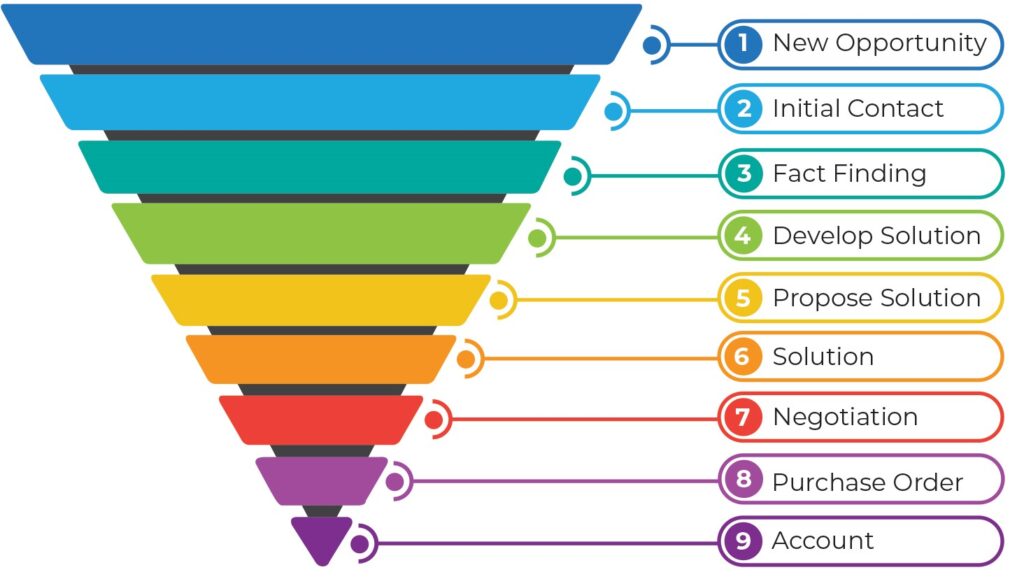
How many sales are sitting in your pipeline?
It is worth asking a simple question:
How many customers are currently interested in buying from your business but are waiting for someone to follow up?
The answer might be more than you think. Before spending more money on advertising, generating more leads or chasing new prospects, look at the opportunities you already have.
• Are quotes being followed up?
• Are enquiries being contacted promptly?
• Are salespeople recording their next actions?
• Are customers receiving promised information?
• Are dormant opportunities being revisited?
• Are team members confident asking for the next step?
Because sometimes the next sale is not hiding somewhere in the market. It is already sitting in your pipeline. The difference between winning it and losing it could be as simple as making the call you promised to make.
Ready to stop losing sales through inconsistent follow-up?
A strong sales process gives small businesses the structure and confidence to make the most of every genuine opportunity.
At Business Coaches Sydney, we work with small businesses to improve sales conversations, follow-up processes, pipeline management and sales performance through practical, tailored Sales Coaching.
If your business is generating enquiries but too many opportunities are slipping away, contact Business Coaches Sydney to discuss tailored Sales Coaching for your small business.
Call 1300 833 574 or email info@businesscoachessydney.com.au to get started.
Author – Garret Norris – https://www.linkedin.com/in/garretnorris/

Latest posts by Sienna Anderson (see all)
- The Difference Between Running a Business and Building a Business - October 12, 2026
- Why customer retention deserves more attention from small businesses - October 6, 2026
- The Business Had Plenty of Enquiries, They Just Weren’t Becoming Customers - September 29, 2026