

How leadership behaviours influence workplace culture, performance and business outcomes
When the owner walked into the office, everyone knew what kind of day it was going to be. If she was stressed, the team became cautious. People stopped asking questions. Conversations became shorter. Mistakes were hidden rather than discussed.
If she was positive and energised, the atmosphere changed. People spoke up more. Ideas flowed. Customers received better service. Problems were dealt with before they became bigger issues.
The business had not changed. The people had not changed. The owner had changed, and the business was responding to her behaviour.
This is something many small business owners underestimate. Leadership is not just about making decisions, setting targets or managing people. The behaviours demonstrated by the business owner every day can have a significant influence on workplace culture, employee performance and the overall health of the business.
Your team is watching more than you think
Small business owners often have a much bigger influence on their team than they realise. In a small business, there may not be layers of management separating the owner from employees. The owner’s reactions, communication style and approach to challenges are visible.
If the owner regularly arrives stressed, employees may start to feel that stress themselves. If the owner constantly changes priorities, the team may become uncertain about what really matters. If the owner avoids difficult conversations, employees may learn that accountability is optional.
And if the owner listens, communicates clearly, takes responsibility and stays calm under pressure, those behaviours can become part of the culture too. Culture is often created through what leaders repeatedly do, not simply what they say. You can have values displayed on the office wall, but if leadership behaviours contradict those values, employees will generally pay more attention to what they see.
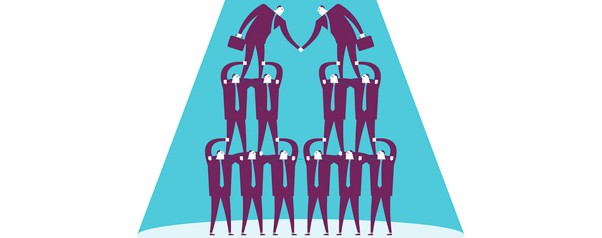
The culture starts at the top
Imagine a business where the owner says, “We trust our people to make decisions.” But every small decision still needs to be approved by the owner. The message employees receive is not really one of trust. Or perhaps the owner says, “We encourage open communication.”
But when someone raises a problem, the owner becomes defensive. Again, the team receives a very different message from the one being communicated. This is why leadership behaviour matters.
Employees learn what is acceptable by observing what leaders tolerate, reward, encourage and demonstrate themselves. A leader who wants a proactive team needs to demonstrate proactivity. A leader who wants accountability needs to model accountability. A leader who wants respectful communication needs to communicate respectfully, particularly when things go wrong.
When leadership behaviour changes, performance can change too
Leadership behaviour can have a direct impact on how people work. Consider two different approaches to a missed sales target.
The first owner immediately asks, “Who’s responsible for this?”
The team becomes defensive. People focus on explaining what went wrong rather than understanding why it happened.
The second owner asks, “What happened, what can we learn from it, and what do we need to change?”
The conversation becomes more productive. The issue is still addressed, but the focus shifts from blame to accountability and improvement. Neither approach ignores performance. The difference is how the leader responds to performance issues.
Good leadership is not about avoiding difficult conversations. It is about having those conversations in a way that creates clarity, accountability and improvement.
The owner can accidentally become the biggest bottleneck
There is another common problem in small businesses. The owner becomes involved in everything. Every customer complaint comes to them. Every staff decision comes to them. Every supplier issue comes to them. Every quote needs their approval. Every problem eventually lands on their desk.
At first, this can feel like good leadership. The owner is staying involved and making sure things are done properly. But over time, it can create dependency. Employees stop making decisions because they know the owner will make them. Managers struggle to develop because they are not given genuine responsibility. The owner becomes overwhelmed because the business cannot operate without them. This can limit growth.
Effective leadership is not about being involved in everything. It is about creating the clarity, capability and accountability that allows the business to operate effectively without the owner having to control every detail.

What happens when the owner changes?
Going back to our business owner at the beginning of this story, something eventually became obvious. She was frustrated that her team lacked initiative.
But when she looked more closely at her own behaviour, she realised she was unintentionally creating the very environment she was complaining about. She was correcting people before they could finish explaining.
She was taking decisions back whenever something went wrong. She was changing priorities without explaining why. She was spending most of her time solving problems rather than developing her team to solve them. So she changed her approach. She started asking more questions. She became clearer about expectations. She gave people greater ownership. She addressed problems directly rather than allowing frustration to build. She started recognising good performance instead of only pointing out mistakes.
The business did not transform overnight. But gradually, the team began to behave differently. People became more confident making decisions, communication improved, problems were raised earlier, the owner had more time to focus on the business rather than constantly working in it.
Changing the leader changed the environment around the team. And changing the environment changed the way people worked.
Five leadership behaviours worth examining
If you are a small business owner, it can be useful to step back and consider the behaviours you demonstrate consistently.
1. How do you respond under pressure?
Your team will notice how you behave when things go wrong.
Do you become reactive and frustrated, or do you remain calm and focus on finding a solution?
2. How do you handle mistakes?
Are mistakes treated as opportunities to learn, or does your team become afraid of making them?
Accountability matters, but so does creating an environment where people can identify and address mistakes honestly.
3. How much ownership do you give your team?
If employees are constantly waiting for your approval, ask yourself whether you are giving them enough responsibility to make decisions.
4. Do your actions match your expectations?
If you expect punctuality, accountability, professionalism and respect from your team, are you consistently demonstrating those behaviours yourself?
5. What behaviour do you reward?
People tend to repeat behaviours that are recognised and reinforced. Consider what you regularly praise. Is it simply getting tasks completed, or are you also recognising initiative, teamwork, problem-solving, customer focus and leadership?
Leadership development starts with self-awareness
One of the most important steps in improving leadership is recognising that you are part of the business environment you are trying to improve. When performance is not where you want it to be, it can be tempting to immediately look at the team.
• Are they motivated enough?
• Are they accountable enough?
• Are they communicating properly?
• Are they working hard enough?
Those questions may be valid, but there is another set of questions worth asking first.
• What am I doing that could be contributing to this?
• What behaviour am I modelling?
• What expectations have I made clear?
• Where might I be creating dependency rather than developing capability?
These questions are not about blaming the owner. They are about recognising the enormous opportunity leaders have to influence their business. Because when the person at the top changes the way they lead, the people around them often have the opportunity to change too.

Your business may not need a complete overhaul
Sometimes the biggest changes in a small business do not begin with a new strategy, new software or more employees. They begin with the leader.
• A change in communication.
• A change in accountability.
• A change in decision-making.
• A change in how difficult conversations are handled.
• A change in the amount of ownership given to employees.
Small changes in leadership behaviour can create significant changes in the way a team operates. And when the team operates better, the business has a much stronger foundation for growth.
Ready to take a fresh look at your leadership?
If you are a small business owner who feels like you are spending too much time solving problems, managing people or working in the business rather than on it, tailored business coaching can help. To read more about the benefits Business Coaching can bring to your small business, click here.
At Business Coaches Sydney, coaching can provide practical support to help you strengthen your leadership approach, improve team performance, create greater accountability and build a business that is less dependent on you.
Contact Business Coaches Sydney today to discuss tailored business coaching for your small business.
Call 1300 833 574 or Email info@businesscoachesydney.com.au
Author – Garret Norris – https://www.linkedin.com/in/garretnorris/

Latest posts by Sienna Anderson (see all)
- There’s Still Time to Finish the Year Strong - October 20, 2026
- The Difference Between Running a Business and Building a Business - October 12, 2026
- Why customer retention deserves more attention from small businesses - October 6, 2026