
What small business owners should check before placing blame
Every small business owner remembers that month where the phones were quieter. Website enquiries slowed. Quotes went unanswered. Long standing customers delayed their purchases. Revenue dropped and suddenly everyone was asking the same question.
“What went wrong?”
When sales slow down, it is tempting to point the finger. Maybe it is the economy. Maybe customers have become more price conscious. Maybe your competitors are undercutting you. While these factors can certainly play a role, they are rarely the whole story.
Before placing blame on external circumstances, successful business owners take a step back and ask a much more valuable question.
What should we be checking inside our own business?
1. Has Your Sales Activity Changed?
One of the biggest reasons sales decline is surprisingly simple.
The team is doing less prospecting.
Many businesses become busy servicing existing customers and stop generating new opportunities. It often takes weeks or even months before the impact becomes visible.
Review your activity levels.
• How many new prospects have been contacted?
• How many follow up calls have been completed?
• How many networking opportunities have been attended?
• Are sales conversations happening consistently?
Sales results almost always reflect previous activity.

2. Are You Solving the Right Problems?
Markets evolve. Customer priorities shift.
If your sales conversations still sound exactly the same as they did twelve months ago, you may be talking about problems customers are no longer focused on.
Great salespeople ask questions before presenting solutions. They adapt their messaging to today’s challenges instead of relying on yesterday’s script.
3. Has Your Follow Up Become Inconsistent?
Many small businesses lose sales simply because nobody follows up.
Customers become busy. Emails get buried. Decisions get delayed.
This does not always mean they are not interested.
Review your follow up process. Is every enquiry contacted again? Is there a structured sequence, or are follow ups happening only when someone remembers? Consistency wins more sales than persistence alone.
4. Are You Competing on Price Instead of Value?
When sales slow, many businesses immediately reduce prices.
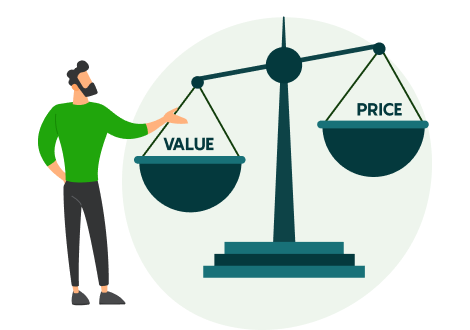
Unfortunately, this often creates a race to the bottom. Customers rarely buy based on price alone. They buy based on confidence, trust, service, expertise and perceived value.
Instead of asking, “How can we be cheaper?”, ask:
“What makes buying from us the safest and smartest decision?”
Businesses that clearly communicate value often outperform businesses competing purely on price.
5. Has Customer Experience Slipped?
Sales are not created only during the sales conversation. Every customer interaction influences future buying decisions.
Delayed responses, inconsistent communication, poor handovers or unresolved issues all reduce customer confidence.
Review your customer journey from first enquiry through to after sales support.
Small improvements often produce surprisingly large increases in repeat business and referrals.

6. Are Your Team Members Working Towards Clear Sales Goals?
Sales performance rarely improves without clear direction.
Does everyone understand their weekly sales expectations?
Do they know which activities matter most?
Are results reviewed regularly?
Without clear accountability, even talented salespeople can drift into reactive behaviour instead of proactive selling.
7. Have You Measured Before You Assumed?
It is easy to assume sales are down because “the market is slow.”
But what do the numbers actually say?
Review your sales pipeline.
• Lead numbers
• Conversion rates
• Average sale value
• Sales cycle length
• Repeat customer percentage
• Referral rates
The data often tells a very different story from the assumptions.

Slow Months Can Become Turning Points
Many of the strongest businesses experience periods where sales unexpectedly slow. The difference is how they respond.
Businesses that blame external factors often continue struggling. Businesses that investigate their own processes usually uncover opportunities to improve their sales systems, strengthen customer relationships and build a more predictable pipeline.
Sometimes a slower month is not a warning sign. Sometimes it is the prompt your business needed to become stronger.
Ready to Strengthen Your Sales Performance?
If your business has experienced a slowdown in sales, now is the perfect time to review your strategy before making assumptions. At Business Coaches Sydney, we provide tailored sales coaching that helps small business owners improve sales activity, increase conversion rates, build stronger customer relationships and create sustainable growth.
To learn more about improving your sales approach, read the Business Coaches Sydney blog, Why Most Sales Training Fails and How to Fix It.
Then contact Business Coaches Sydney to discover how personalised sales coaching can help your small business generate more consistent results and long term growth.
Call 1300 833 574 or Email info@businesscoachessydney.com.au
Author – Garret Norris – https://www.linkedin.com/in/garretnorris/

Latest posts by Sienna Anderson (see all)
- There’s Still Time to Finish the Year Strong - October 20, 2026
- The Difference Between Running a Business and Building a Business - October 12, 2026
- Why customer retention deserves more attention from small businesses - October 6, 2026