
Why sales training only delivers results when new skills are reinforced, coached and embedded into everyday behaviour
The business owner was convinced the team needed sales training. The sales numbers had stalled. Follow-up was inconsistent. Some team members were confident with customers, while others avoided difficult conversations. Opportunities were being missed, and the sales process seemed to depend more on individual habits than a consistent approach.
So they did what many small businesses do, they invested in training.
The team spent a day learning new sales techniques, practising conversations and discussing better ways to prospect, qualify opportunities, ask questions and handle objections. Everyone left motivated, there was plenty of enthusiasm. For the first week or two, things looked different. Then, gradually, everything went back to normal. The same old habits returned. Follow-up became inconsistent again. Salespeople slipped back into their comfortable way of having conversations. Managers became busy with other priorities. The business had invested in training, but nothing really changed.
The Problem Wasn’t the Training
This is one of the biggest misconceptions about sales training. Businesses sometimes assume that if employees attend a great training session, their behaviour will automatically change afterwards. But learning something and consistently doing something are two very different things.
A salesperson might understand the importance of asking better questions but still fall back into talking too much during a customer meeting. They might know they should follow up promptly but continue putting it off. They might understand how to respond to objections but revert to discounting when a customer challenges the price. The knowledge is there, the skill may even be there, but the behaviour hasn’t become a habit. And that’s where many training programs lose momentum.
Training Creates the Starting Point
Good training is incredibly valuable. It gives people new knowledge, skills, language and approaches. It creates awareness and provides an opportunity to practise in a safe environment. But training should be viewed as the starting point, not the finish line.
Think about learning a new sport. You wouldn’t expect someone to attend one coaching session, learn the technique and immediately perform at their best every time they played. Sales is no different. New skills need repetition, they need practice, they need feedback. And most importantly, they need to be used in real situations.
Managers Have a Critical Role
For new sales behaviours to stick, managers need to become coaches. This doesn’t mean managers need to spend hours every week conducting formal coaching sessions. It means they need to make development part of everyday conversations.
After a customer meeting, instead of simply asking:
“How did it go?”
A manager might ask:
• “What questions did you ask?”
• “What did you learn about the customer’s priorities?”
• “What objection came up?”
• “How did you respond?”
• “What would you do differently next time?”
These conversations turn everyday sales activity into learning opportunities. The salesperson isn’t simply being told what they did wrong. They’re being encouraged to think about their own performance. That’s coaching.

Reinforcement Is Where Change Happens
Imagine your team has just completed training on consultative selling. They’ve learned how to ask quality questions and uncover customer needs rather than immediately jumping into a product pitch. If nobody reinforces those behaviours afterwards, it’s easy for the team to revert to old habits. Instead, managers can choose one behaviour to focus on.
For example:
“For the next month, let’s focus on asking better discovery questions before presenting a solution.”
That behaviour can then become part of team meetings, one-on-ones, sales reviews and customer debriefs. Over time, it becomes normal. And when a behaviour becomes normal, it becomes part of the culture.
Don’t Try to Change Everything at Once
Another reason sales training sometimes fails to produce results is that businesses try to implement too much at once. A team might leave a training day with ten new techniques, five new frameworks and a long list of things they should be doing differently. The intention is good. But people become overwhelmed. Instead, identify the few behaviours that will have the biggest impact.
Perhaps it’s:
• Asking better questions.
• Improving follow-up.
• Listening instead of immediately selling.
• Becoming more confident handling objections.
• Consistently qualifying opportunities.
• Clearly communicating value instead of competing on price.
Focus on those behaviours, practise them, coach them, measure them, then build from there.
Measure Behaviour, Not Just Revenue
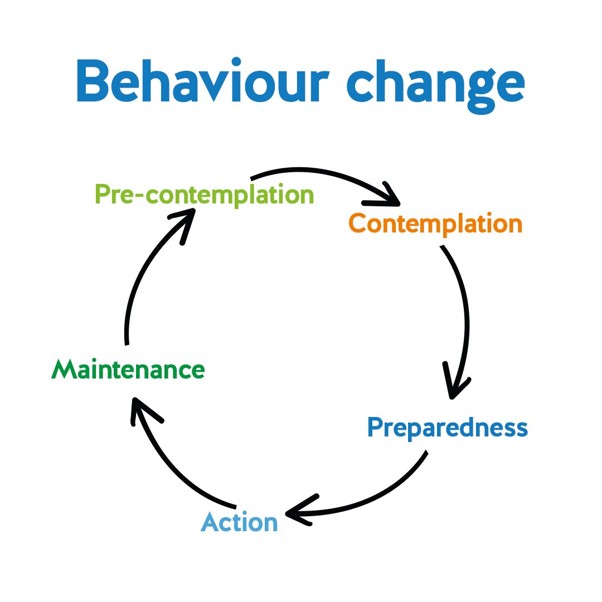
Sales results are important, but revenue is often a lagging indicator. If you only look at sales figures, it can be difficult to identify whether training is actually changing behaviour. Instead, look at the activities that lead to results.
• Are salespeople following up consistently?
• Are they conducting more effective discovery conversations?
• Are they asking more questions?
• Are opportunities being properly qualified?
• Are proposals being followed up?
• Are salespeople becoming more confident in difficult conversations?
These behavioural indicators can provide an early sign that training is beginning to make a difference. Eventually, those behaviours should contribute to improved sales performance.
Make Development Part of the Culture
The businesses that get the most from training don’t treat it as an isolated event. They make learning part of how the business operates.
• Training introduces the skill.
• Coaching reinforces it.
• Managers model it.
• Team members practise it.
• Sales meetings revisit it.
• Performance conversations measure it.
• And repetition embeds it.
That’s how a new technique becomes a new habit. And how a new habit can eventually become a new standard.
The Real Return on Training
The question shouldn’t simply be:
“Did our team enjoy the training?”
A better question is:
“What are our people doing differently because of the training?”
If the answer is unclear, the problem may not be that your team needs more training. They may need more reinforcement, accountability and coaching around what they’ve already learned. For small businesses, this is particularly important. Every investment needs to contribute to better performance, stronger customer relationships and sustainable growth. Sales training can be a powerful catalyst for change, but lasting results come when the learning leaves the training room and becomes part of everyday behaviour.
Ready to Turn Training Into Results?
If your small business has invested in training but you’re not seeing the change you expected, it may be time to look at what happens after the training. To find out more about the benefits of business coaching for small businesses, click here.
Business Coaches Sydney provides tailored Business Coaching for small businesses, helping business owners and their teams turn strategies, skills and ideas into consistent action.
Whether you need support with sales performance, business development, leadership, accountability, sales coaching or building better business systems, tailored coaching can help turn good intentions into measurable progress.
Contact Business Coaches Sydney to discuss tailored Business Coaching for your small business and start turning your team’s skills into everyday behaviours that drive better business results.
Call 1300 833 574 or Email info@businesscoachessydney.com.au
Author – Garret Norris – https://www.linkedin.com/in/garretnorris/

Latest posts by Sienna Anderson (see all)
- Why customer retention deserves more attention from small businesses - October 6, 2026
- The Business Had Plenty of Enquiries, They Just Weren’t Becoming Customers - September 29, 2026
- The Business Had a Strategy but Nobody Followed It - September 21, 2026